Year-Round Roof Skylight Maintenance Tips: Keeping Your Home Bright Year-Round
Routine seasonal care of roof skylights is critical for sustaining their effectiveness and improving natural light throughout the home. Each time of year brings its own set of challenges that can influence both efficiency and appearance. Regular attention can prevent issues such as leaks, condensation, and heat damage. Knowing the particular maintenance steps needed for each season ensures that skylights remain fully functional over time. The following sections will detail key maintenance recommendations for each time of year.
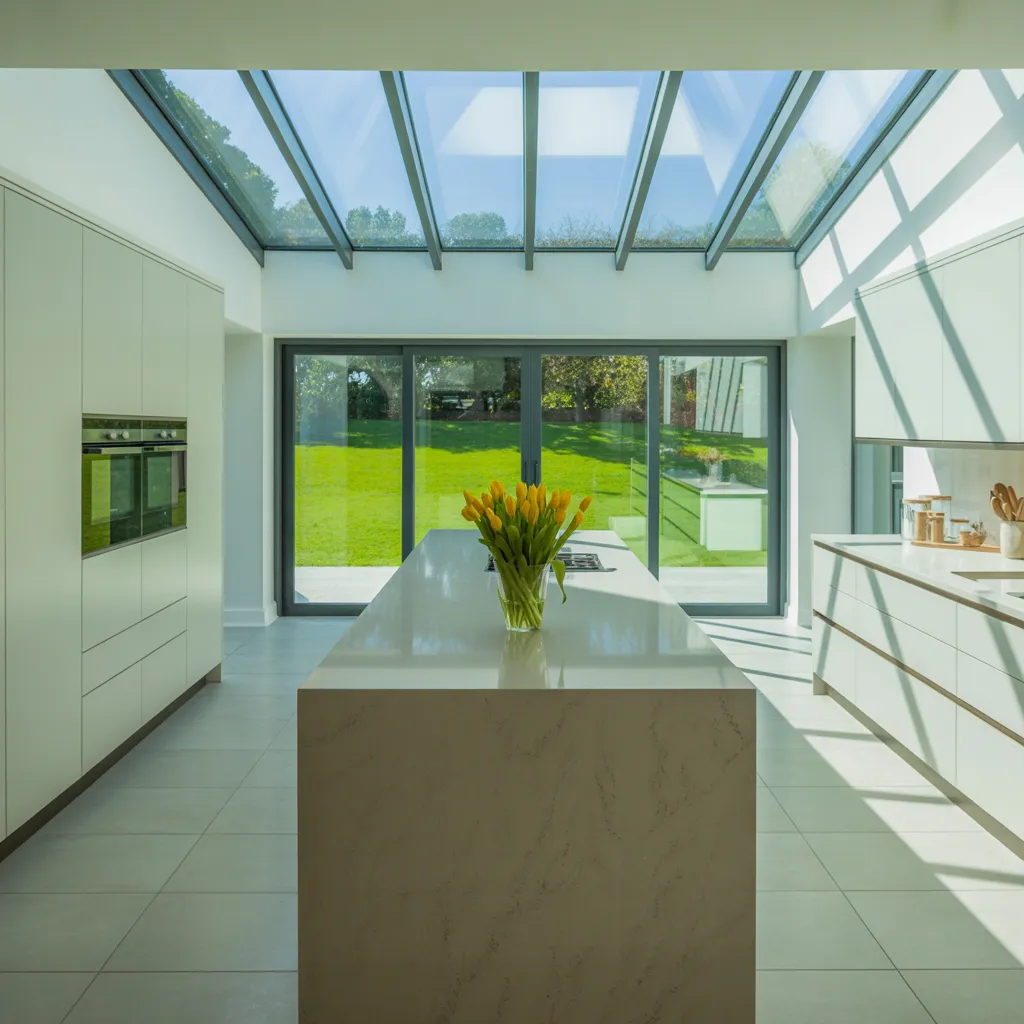
Why Routine Skylight Maintenance Is Important
Regular skylight maintenance is essential for ensuring the longevity and efficiency of these architectural features. As time passes, skylights may gather dirt, debris, and moisture, which may lead to diminished light transmission and potential water leaks. Scheduled examinations aid in recognizing any evidence of damage, such as cracks or seals that need replacement.
Maintaining skylights doesn't just improve their aesthetic appeal but also contributes to energy efficiency. Well-maintained skylights can considerably lower the need for artificial lighting, thereby decreasing energy costs. Furthermore, ongoing care can avert costly repairs in the future, preserving the integrity of the roof structure.
Seasonal Challenges for Roof Skylights
Skylights experience particular challenges during each season, each bringing specific concerns that can impact their performance and integrity. In spring, intense rainfall can cause leaks when seals become damaged, while pollen accumulates, obscuring light. Summer brings intense heat and UV exposure, that can deteriorate the structural components over time, potentially leading to discoloration or warping.
As the fall season begins, dropping leaves and debris may clog drainage systems, raising the likelihood of water accumulation. The harsh winter months introduce additional concerns; ice and snow can accumulate, contributing to added pressure and structural damage. Additionally, cold temperatures can result in moisture accumulation, amplifying the potential for mold and mildew formation.
Grasping these periodic concerns is important for homeowners to ensure their skylights continue to be damage-free, bright, and operational throughout the seasons. Proactive strategies can minimize these risks, safeguarding both appearance and performance.
Autumn Skylight Upkeep: Remove Debris and Get Ready for Winter
As autumn leaves begin to fall, homeowners should make skylight maintenance a priority to guarantee peak performance through the winter months. Accumulated debris, such as leaves and twigs, may obstruct sunlight and cause potential water damage. Washing the skylight frames and surrounding regions is critical to securing adequate drainage and eliminating blockages.
Homeowners are advised to also check the flashing and seals around the skylights for any indications of wear or damage. Installing new seals in place of worn ones can assist in preserving energy efficiency and avoiding leaks during severe winter conditions. In addition, eliminating any moss or algae buildup is vital, as these organisms can accelerate deterioration over time.
Winter Skylight Maintenance: Preventing Condensation and Ice Buildup
Winter maintenance of skylights is essential for preventing condensation and ice buildup. Reliable insulation and sealing strategies can considerably decrease moisture collection, while consistent cleaning routines help sustain peak performance. Moreover, applying freeze prevention techniques keeps skylights clear and fully functional across the coldest months.
Insulation and Sealing Strategies
Proper insulation and effective sealing are vital for keeping skylights in good condition during winter months, as they help prevent condensation and ice buildup. Residents should begin by examining the insulation components encircling the skylight. Using high-quality, energy-efficient insulation can minimize heat loss, decreasing the probability of condensation. Additionally, weatherstripping should be applied around the perimeter of the skylight to establish a secure seal, preventing cold air from infiltrating the space. Homeowners might also explore using insulated blinds or curtains to provide an extra layer of protection against temperature fluctuations. Routinely examining these areas for wear and deterioration is necessary, as even tiny openings can cause considerable moisture concerns. Thorough insulation and sealing confirm skylights continue to perform efficiently and conserve energy throughout the winter season.
Consistent Cleaning Practices
Ensuring skylights are properly cleaned is an essential factor in reducing condensation and frost accumulation during winter months. Regular cleaning removes dirt, dust, and debris that can trap moisture, leading to condensation on the interior surface. It is recommended that homeowners clean skylights at least twice during winter. Using a soft cloth or sponge, along with a mild soap solution, can effectively eliminate grime without scratching the glass. Homeowners should also check for evidence of damage or deterioration in the skylight's sealing components during cleaning. Ensuring that the exterior is unobstructed by snow or ice is important, as this supports effective drainage and ventilation. Such cleaning habits significantly contribute to maintaining a bright, inviting atmosphere indoors throughout winter.
Frost Protection Methods
To prevent frost from forming on skylights during cold months, homeowners can implement several effective strategies. To begin, maintaining proper insulation around the skylight will assist in preserving interior temperatures, minimizing the likelihood of condensation. Additionally, installing insulated or double-pane skylights can considerably decrease heat loss. Homeowners should also consider installing a skylight vent, which can encourage air circulation and reduce moisture levels inside the home. Regularly checking and repairing weather stripping is essential to block cold air and moisture from entering. Moreover, maintaining a consistent indoor temperature can help regulate moisture levels, thereby reducing frost formation. By employing these strategies, homeowners can successfully reduce frost accumulation and guarantee their skylights continue to perform well and remain frost-free all winter long.
Spring Skylight Care: Check and Maintain Your Skylights
With the arrival of spring, homeowners should turn their attention to skylight maintenance, making certain these features continue to perform well and look attractive. The shift in seasons provides an excellent opportunity for a thorough inspection and cleaning. Homeowners should begin by examining the skylight for any signs of damage, such as fractures or leaks, which could lead to more significant issues if left unaddressed.
Following this, scrubbing the skylight's face is essential for optimal light transmission. A blend of diluted dish soap and water can easily wash off dust and residue. Be sure to steer clear of abrasive cleaners that could harm the glass or frame.
Moreover, inspecting the seals and trim around the skylight protects against water intrusion. Any damage or deterioration should be promptly repaired. By focusing on these tasks in the spring, homeowners can ensure their skylights continue to enhance their living areas throughout the year.
Summer Skylight Maintenance: Shielding Against UV Rays and Heat
Throughout the summer season, skylight maintenance is critical for protecting interiors from harmful UV rays and elevated temperatures. Homeowners are encouraged to apply UV-resistant window films to their skylights, which can greatly reduce glare and prevent fading of furniture and decor. Regular inspections for any signs of wear or damage to seals and frames are essential; damaged seals may result in unwanted heat entry and elevated energy bills.
Moreover, adding outdoor shading solutions, such as canopies or blinds, can be effective in limiting direct sunlight exposure. It is also prudent to establish sufficient air circulation in the area under the skylights to help balance temperature and limit heat retention. By following these practical precautions, residents can sustain a comfortable living space while enjoying the natural light that skylights provide, thereby improving their home environments during the warm summer months.
Essential Skylight Maintenance Tips for Year-Round Care
Routine skylight upkeep is crucial for ensuring durability and optimal performance all year long. Homeowners should begin by inspecting the skylights regularly for signs of leaks or damage, particularly after severe weather. Cleaning the glass and frames at least study twice a year helps maintain brightness and prevents dirt buildup, which can obstruct natural light. Moreover, examining and eliminating any refuse from adjacent areas, such as foliage and branches, can reduce blockages that contribute to water pooling.
It is also important to ensure that flashing is secure and adequately sealed to stop water from seeping in. To improve energy efficiency, consider applying window film or shades to manage heat levels and limit ultraviolet deterioration. Finally, when any concerns are discovered, such as cracks or significant wear, timely repair or expert advice is recommended to minimize the risk of additional harm. Regular monitoring of these factors will keep skylights functional and enhance the home's ambiance.

Frequently Asked Questions
How Often Should I Replace My Skylight Seals?
Skylight seals should be replaced at intervals of five to ten years, subject to conditions and the materials used. Periodic inspections can help identify signs of deterioration, guaranteeing optimal performance and preventing leaks, ultimately maintaining the skylight's functionality and appearance.
Can I Install Skylights Myself?
Fitting skylights yourself is achievable for those with construction experience, however it demands meticulous preparation and conformity with applicable building standards. Speaking with specialists is advisable to secure proper installation and avoid potential issues connected to moisture infiltration or building stability.
What Types of Skylights Are Most Energy-Efficient?
The top energy-efficient skylight options commonly include double or triple-pane glazing, Low-E coatings, and high-performance insulated frames. These components reduce heat transfer, boost thermal insulation, and decrease energy expenses while keeping ideal natural light levels within a home.
How Can I Select the Correct Skylight Size?
To choose the correct size skylight, it is important to assess room dimensions, ceiling elevation, and preferred lighting levels. A common recommendation recommends a skylight size of 10-15% of the room's floor area for ideal brightness.
Can You Get Skylights That Open for Ventilation?
Yes, there are skylights designed for ventilation. Such ventilating skylights can be operated either manually or electronically, allowing fresh air to circulate while providing natural light, improving comfort levels and air quality throughout the living space.